
The Fleet Manager’s Guide to Cold-Weather Diesel Maintenance
Stay ahead of winter’s toughest challenges with the essential cold-weather diesel maintenance strategies every fleet manager needs to keep trucks reliable, efficient, and ready for anything.
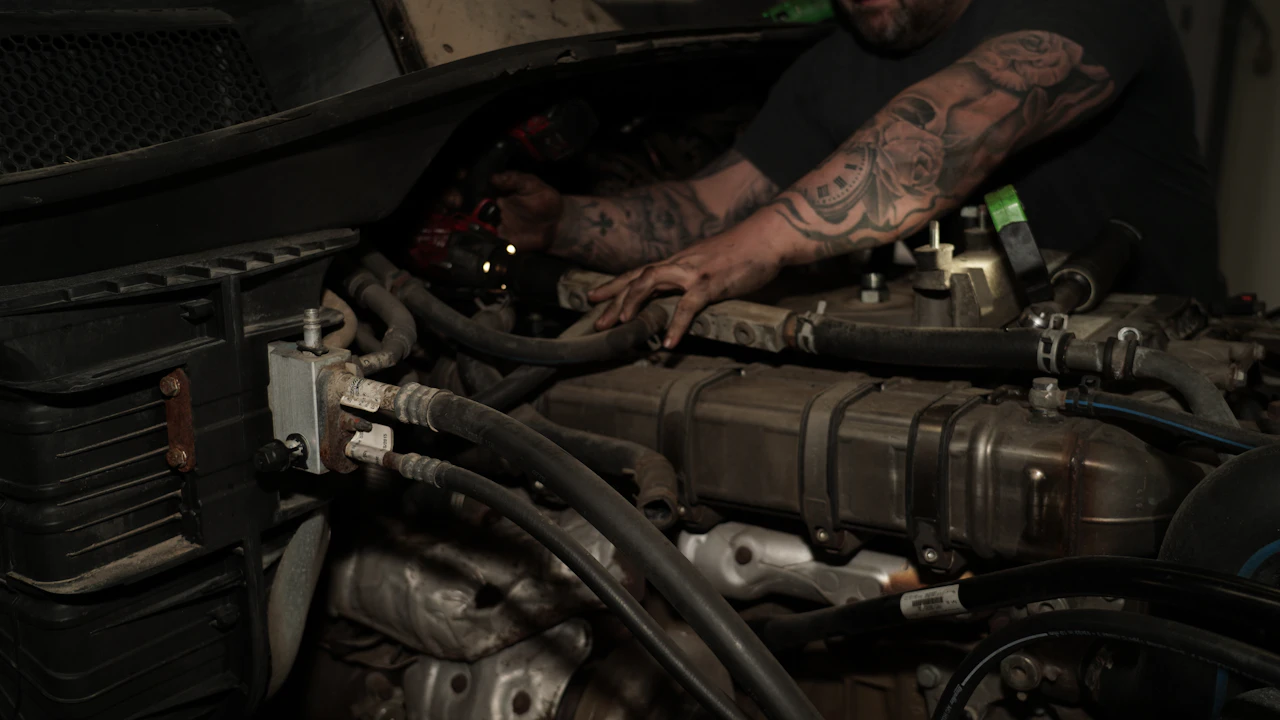
If you manage a fleet of diesel trucks, you already know winter brings more than just cold mornings and icy roads. It’s a season full of mechanical risks, fuel system challenges, and logistical headaches. For fleet managers in states of unpredictable weather, salt-covered roads, and freezing temperatures are part of the package, cold-weather diesel maintenance becomes a critical part of your operational success.
Let’s break down exactly what every fleet manager needs to know to keep trucks rolling safely and reliably all winter long.
Why Cold Weather Hits Diesel Trucks Harder
Diesel engines are built for power and efficiency, but not necessarily for the cold.
In frigid conditions:
- Diesel fuel gels, clogging lines and filters.
- DEF (Diesel Exhaust Fluid) freezes.
- Batteries lose cranking power.
- Oil thickens, reducing lubrication.
- Air brake moisture freezes, leading to dangerous malfunctions.
Each of these challenges can cripple your operation if not proactively addressed. That’s why having a cold-weather maintenance plan is essential for every fleet manager.
Implement Pre-Winter Inspections Across the Fleet
Before the first frost, every vehicle in your fleet should undergo a comprehensive winter inspection. This ensures no surprise failures crop up mid-season.
Inspection Checklist:
- Battery test and terminal check
- Fuel filter replacement
- Coolant freeze-point test
- DEF heater functionality
- Air tank draining and air dryer test
- Check serpentine belts and hoses for brittleness
- Oil and fluid viscosity adjustment
These inspections allow you to catch issues before winter amplifies them. Schedule these checks no later than mid-fall to stay ahead of Northeast weather patterns.
Diesel Fuel System Conditioning Is Non-Negotiable
Your fuel system is one of the first to suffer when temperatures drop. Without proper treatment, diesel begins to gel around 15°F, leading to blockages that strand trucks on the roadside.
Preventive Actions:
- Use a winter fuel blend or add anti-gel additives
- Drain and replace water separators
- Replace clogged or aging fuel filters
- Educate drivers on the signs of fuel gelling
A proactive approach here avoids one of the most common and preventable causes of winter breakdowns.
Keep Batteries at Peak Performance
When temperatures hit freezing, your batteries can lose up to 50% of their capacity. Diesel engines require high amperage to turn over, so even a slightly weak battery can fail.
Battery Maintenance Tips:
- Load test all batteries
- Clean and tighten terminals
- Replace batteries older than 3-4 years
- Check alternator function (especially in trucks with power-demanding accessories)
Don't forget auxiliary systems like lift gates or APU batteries because they’re equally susceptible to cold-related failure.
Protect the Air Brake System from Freeze-Ups
In medium and heavy-duty trucks, air brakes are the primary braking system, and they’re particularly vulnerable in winter. Moisture inside air tanks and lines can freeze, leading to brake lock-ups or failures.
Best Practices:
- Drain air tanks daily or use automatic moisture ejectors
- Service or replace air dryers regularly
- Replace cracked or leaking airlines
- Ensure the compressor is functioning properly
Frozen air systems are one of the top causes of roadside service calls during winter. Don’t let moisture become a mission-ending problem.
Ensure Coolant and Antifreeze Offer Proper Freeze Protection
Coolant isn’t just about summer overheating. In winter, it prevents engine blocks, radiators, and lines from freezing, a catastrophic failure that leads to cracked components and expensive downtime.
Winter Coolant Protocols:
- Test freeze point with refractometer
- Ensure proper antifreeze-to-water ratio (typically 50/50 or manufacturer-specified)
- Replace coolant that’s old or contaminated
- Inspect hoses for cracks, bulges, and leaks
Coolant should also be compatible with any emissions system components to avoid sensor damage or corrosion.
Test DEF System Heaters and Sensors
DEF freezes at 12°F, and if your system can’t thaw it, your trucks will throw emissions codes and potentially enter limp mode. For fleet trucks that can’t afford downtime, this is a must-watch system.
Winter DEF Checklist:
- Test DEF tank heater and line heaters
- Inspect for DEF crystal build-up (a sign of leaks)
- Monitor DEF levels and sensor health
Pro Tip: Make sure your drivers know to top off DEF before shutdown. Running low in freezing weather can cause pump or line damage.
Switch to Winter-Weight Oils and Grease
Cold weather thickens engine oil, making it harder to circulate on startup. That means reduced lubrication, increased engine wear, and oil pressure alarms if you don’t adjust your oil strategy.
What to Change:
- Switch to synthetic or winter-grade engine oil (e.g., 5W-40)
- Use winter-weight gear oil and hydraulic fluid
- Re-grease fittings with low-temp rated grease
Why it Matters: Cold starts cause the most wear on your engine. Winter-weight lubricants minimize startup damage and extend component life.
Prioritize Preventive Maintenance Scheduling
Don’t wait for things to break and implement a fleet-wide PM schedule designed around seasonal stress points. Preventive maintenance helps:
- Catch problems early
- Reduce emergency repairs
- Maximize uptime during high-demand months
Schedule high-risk systems for staggered service intervals so your shop (or vendor) isn’t overloaded mid-winter. Partnering with a trusted provider like George’s Truck Trailer and Tire Repair ensures consistent standards and quick turnarounds.
Train Drivers on Winter Operation Protocols
Your maintenance plan only works if your drivers follow it. Train them on:
- Proper warm-up and shutdown procedures
- Daily air tank draining
- Fuel additive usage
- Identifying signs of gelled fuel, low batteries, or air brake freeze-up
- Reporting cold-start issues or fault codes immediately
An educated driver is your best first line of defense against breakdowns.
Prevent Downtime With Cold-Weather Care
Cold-weather diesel maintenance is about protecting your bottom line. For fleet managers in Newark, NJ, winter presents unique challenges that can be mitigated with a smart, consistent, and well-executed maintenance plan.
With George's Truck Trailer and Tire Repair, we provide maintenance services from air brakes and batteries to DEF and coolant systems. We ensure every component is prepped to handle the freeze. With the right approach and the right maintenance partner, your fleet can operate safely and efficiently, no matter what the weather throws at it.
For more information about truck repair, read our article on 7 essential fleet maintenance services.